

Steatite characterization using X-ray fluorescence and insights into Northern Iroquoian interregional interaction
The research presented here evaluates the applicability of energy-dispersive X-ray fluorescence (EDXRF) for characterizing steatite. We present compositional data from an assemblage of 100 steatite beads and pipes deriving from 11 Northern Iroquoian sites in southern Ontario and New York State. Percentages of major elemental constituents and principal components analysis define two compositional groups and various […]
A Modest Proposal for GIS-Based Data Sharing in Ontario Archaeology
Academic excavations are no longer the driving force behind archaeological research in North America. In the current economy, private cultural resource management firms (and also those based within academic institutions) complete most archaeological field activities. However, the results of most surveys and excavations are often confined to the grey literature, though not from any lack […]
A Summer to Remember: Searching for the 1847 Fever Sheds at the Toronto General Hospital
In 1847, the Toronto General Hospital served as a temporary place of refuge for thousands of Irish typhus victims who arrived during the Great Famine migration. To the Irish that live in Toronto today, that experience is symbolized by the “fever sheds,” 12 to 14 large wooden outbuildings that were erected on the grounds to […]
Wendat and the St. Lawrence Valley: New Understandings of Travel, Trade and Homeland

It is becoming clear with the discovery of rare objects in traditional Wendake, both south and north, that long established trading routes from the St Lawrence Estuary to the lower Great Lakes are a reflection of a close and long-standing relationship between the Huron-Wendat and Saint Lawrence Iroquoian populations. Not only was this trade indicative […]
Archaeological Heritage Management: The Last and Next Half Century
This article is part of the Canadian Journal of Archaeology’s Special Edition celebrating the Canadian Archaeological Association’s 50th anniversary. Williamson takes a look back at the last fifty years of commercial archaeology in Canada, and how it has developed from a budding to a thriving industry in a matter of decades. This transformation also offers […]
Best Practices for Archaeological Collections: A Cultural Resource Management Perspective
As a large archaeological and cultural heritage consulting firm in Ontario, ASI has unique curatorial and collections issues that are distinct from those of government funded or non-profit enterprises. We work on the “front line” of collection creation in our province, putting us in an ideal position to develop and implement new best practices for […]
Exploring Time: Considering Heritage as the Fourth Dimension of Environmental Assessment
The assessment of cultural heritage, including archaeological resources, built heritage, and cultural landscapes, provides an important historical perspective on past environments and human ecology. Heritage is also inherently predisposed to regional strategic EA approaches, given its fundamental concern with human landscapes, past and present. This presentation will explore various ways that heritage assessments can integrate […]
Policies, Regulations and Projects for Promoting Large Landscape Conservation
This presentation will focus on the intersection between regulations, guidelines and policies that help foster a culture of conservation by looking at the Credit River Valley in the Province of Ontario. The Credit River flows from headwaters above the Niagara Escarpment and drains down into Lake Ontario at Port Credit. It has, and continues to […]
Policy Planning For Managing Cultural Heritage Landscapes: A Case Study
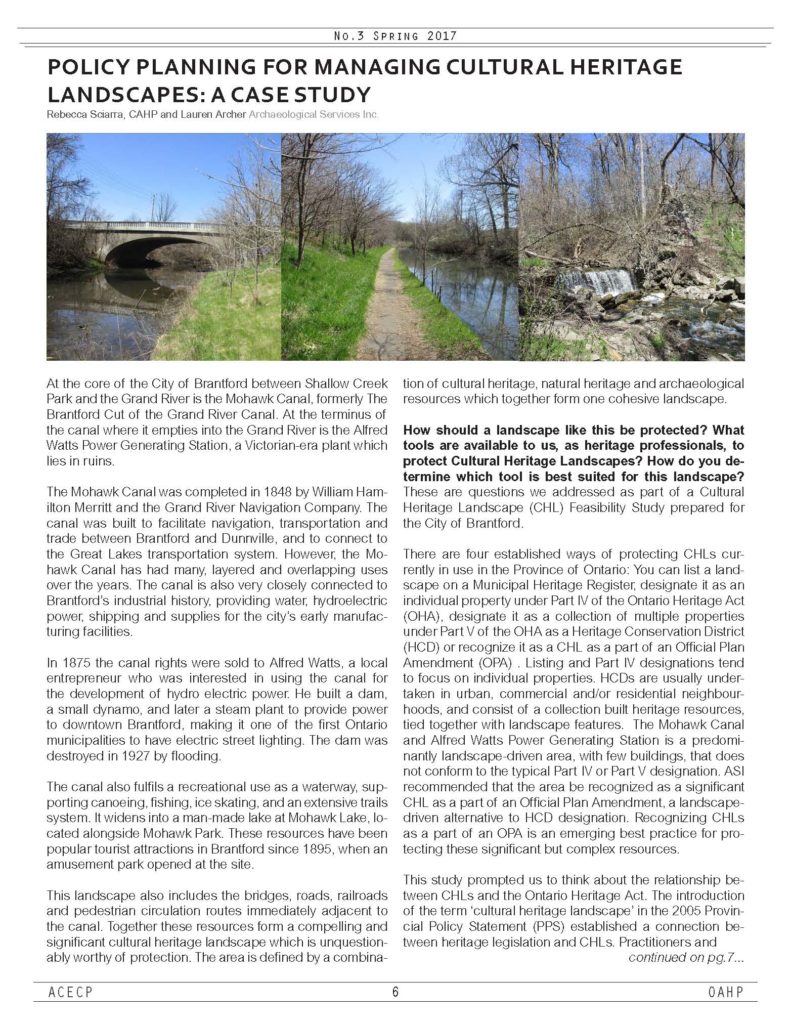
In 2016, ASI’s Cultural Heritage Division prepared a Cultural Heritage Landscape Feasibility Study on the Mohawk Canal and Alfred Watts Hydro Generating Station Ruins for the City of Brantford. ASI recommended that the City protect this multi-component landscape with a rich, complex history as a significant Cultural Heritage Landscape and as a part of an Official Plan […]
“He Must Die Unless the Whole Country Shall Play Crosse:” The Role of Gaming in Great Lakes Indigenous Societies
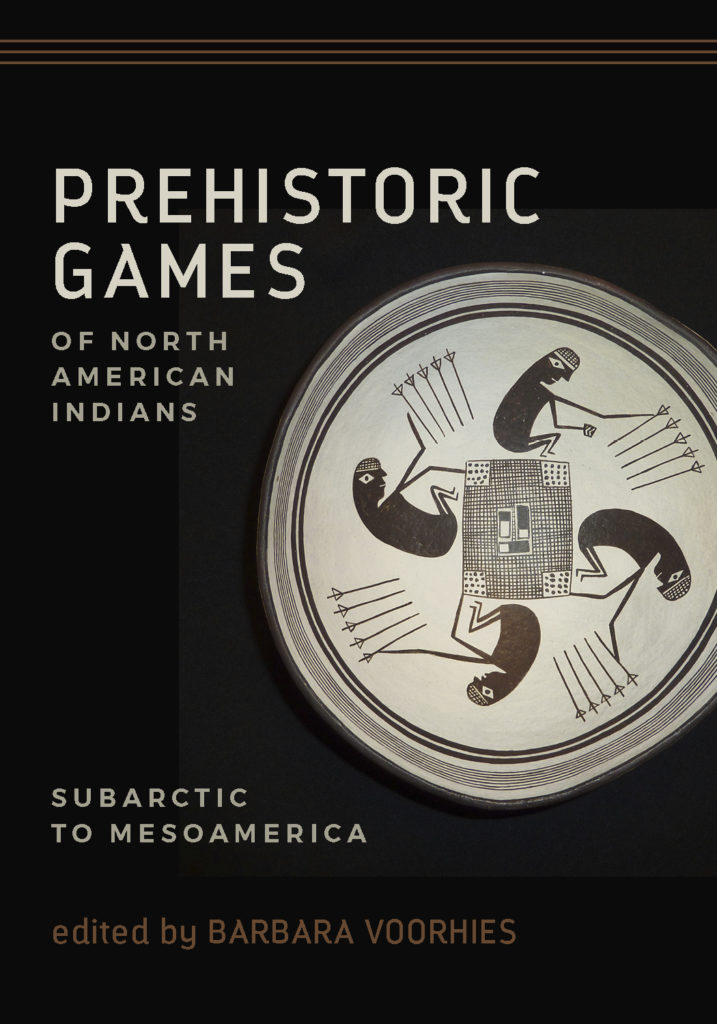
Prehistoric Games of North American Indians is a collection of studies on the ancient games of indigenous peoples of North America. The authors, all archaeologists, muster evidence from artifacts, archaeological features, ethnography, ethnohistory, and to a lesser extent linguistics and folklore. Chapters sometimes center on a particular game (chunkey rolling disc game or patolli dice […]